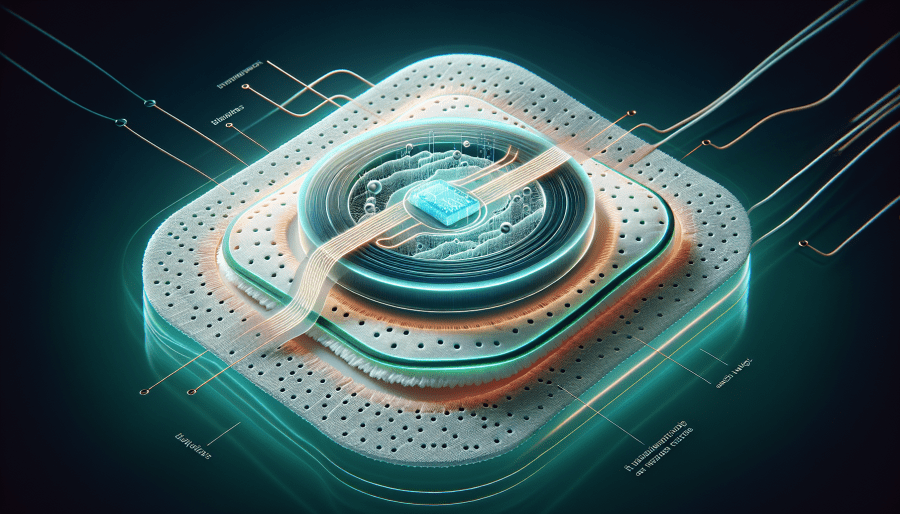
Problem: Biofilms which can form in wounds and surfaces protect bacteria from antibiotics and disinfectants and therefore promote bacterial resistance. Current methods to overcome this issue include the use of mechanical abrasion, enzymes, harsh chemicals, and nanoparticles. These methods are not environmentally friendly and cannot be used if there is any risk of leaching.
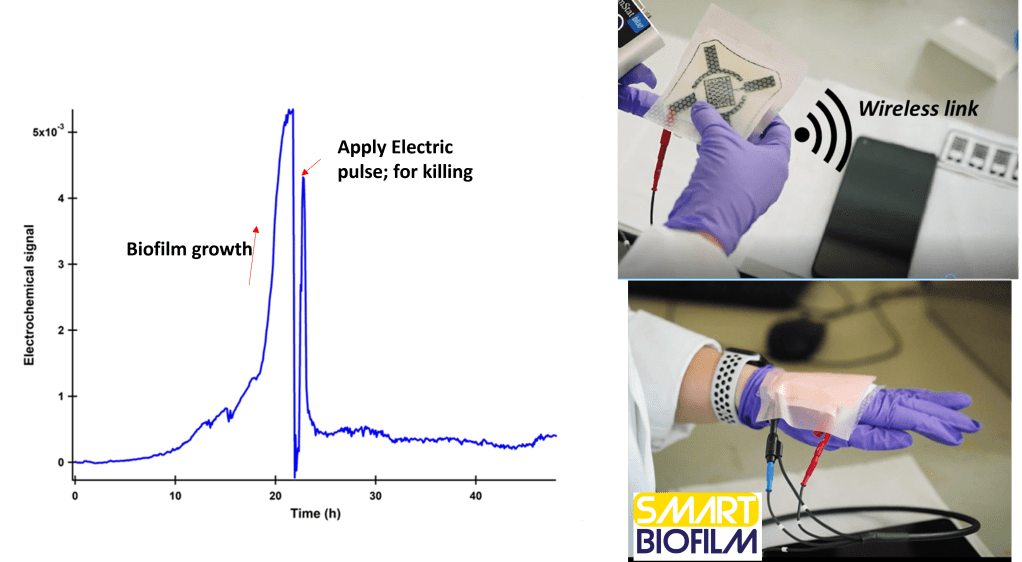
Solution: Durham Scientists have harnessed bio-techniques to create a new generation of smart electroceutical substrates that can be combined with bandages and surfaces to detect bacteria activity, destroy bacterial biofilms reducing the use of antibiotics, by improving their efficacy. This approach to detecting and destroying biofilms has several advantages. It is affordable for a global market; no batteries are required, making it cheaper and easier to sterilise; it is accurate, allowing reliable decision making about wound management to be applied; it is easy to use and implement as minimal requirement of medical expertise is needed and it is non-toxic.
Detecting and destroying a clinically relevant biofilm-forming bacterial species (Pseudomonas Aeruginosa)
 smartbiofilm.com